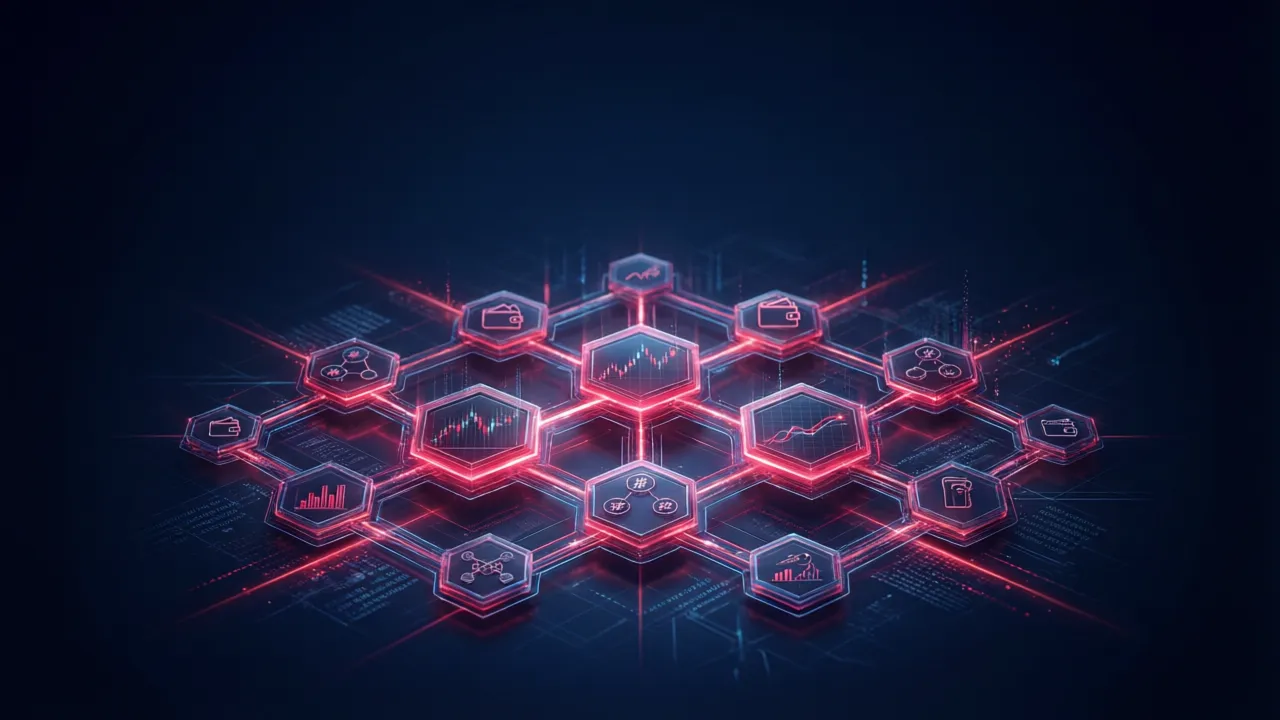
Why RWA Tokenization Finally Broke Through in 2026
For years, "real world asset tokenization" sounded like blockchain's most overpromised promise. Then 2026 happened. With traditional finance giants like BlackRock and several sovereign wealth funds formally integrating tokenized treasury products into their core portfolios, the line between "crypto experiment" and "global financial infrastructure" has effectively vanished.
The numbers tell a compelling story. Tokenized asset markets have swelled past $150 billion in on-chain value, with private credit, real estate, and commodities leading growth. More critically, regulatory clarity in the EU, UAE, and select Asian markets has transformed what was once a compliance minefield into a competitive race among institutional players.
What changed? Three converging forces: post-2024 regulatory frameworks that finally distinguished security tokens from utility tokens; zero-knowledge proof technology maturing enough to handle institutional privacy requirements; and a global hunt for yield that sent capital pouring into tokenized private credit at double-digit returns while traditional bonds flatlined.
What Actually Gets Tokenized (And What Doesn't)
Not every asset benefits equally from blockchain representation. The most successful tokenization use cases share common DNA: illiquidity premiums, fragmented ownership structures, and intermediary-heavy transaction costs.
The Winners: Assets Thriving on Chain
- Private credit and receivables: Funds like Hamilton Lane (via tokenized BVI vehicles) have demonstrated that blockchain settlement reduces clearing time from T+30 to T+0, slashing capital costs for mid-market lenders
- Commercial real estate: Fractional ownership of income-producing properties now reaches retail investors at minimums of $500 rather than $500,000
- Carbon credits and commodities: Tokenized carbon has emerged as a compliance-layer asset, with automated satellite verification replacing manual auditing
- Intellectual property royalties: Musicians and patent holders increasingly tokenize future revenue streams for upfront liquidity
The Laggards: Where Tokenization Still Struggles
Highly regulated personal assets—residential mortgages in most jurisdictions, insurance policies with embedded consumer protections—remain tangled in local legal frameworks that resist standardization. Similarly, assets requiring physical custody verification (fine art, wine, collectibles) still grapple with oracle reliability.
How Tokenized Assets Trade Differently
For traders crossing from traditional crypto markets, RWA tokens introduce unfamiliar dynamics. These are not memecoins. Price discovery reflects underlying cash flows, regulatory jurisdiction, and counterparty risk in ways that demand new analytical frameworks.
Consider a tokenized Singapore commercial property. Its secondary market price tracks rental yield spreads, interest rate movements in SGD, and the specific smart contract's enforcement provisions. When the US Federal Reserve pivoted in early 2026, tokenized real estate funds saw correlation spikes with REITs that pure crypto assets avoided—creating arbitrage opportunities for traders who understood both worlds.
Liquidity patterns also diverge sharply. Many RWA tokens feature redemption windows, lock-up periods, or accredited-investor restrictions that make 24/7 price action more theoretical than practical. The savvy trader learns to read not just order books but offering memorandums.
How to Get Started With RWA Tokenization
Entering this market requires more than a MetaMask wallet and optimism. Here's a structured approach for 2026:
Step 1: Establish regulated exchange access. Major platforms have expanded their RWA offerings significantly. Opening an account on Binance, OKX, or Gate.io provides access to tokenized treasury products, select real estate tokens, and commodity-backed assets. Each maintains different jurisdictional availability and verification requirements—compare carefully based on your residency.
Step 2: Verify asset provenance. On-chain verification is essential but insufficient. Cross-reference token contracts with issuer disclosures, audit reports, and (where applicable) regulatory filings. The most reputable tokenization platforms now provide real-time attestation dashboards.
Step 3: Understand tax implications early. Tokenized assets often trigger different reporting obligations than native cryptocurrencies. Some jurisdictions treat tokenized real estate as direct property ownership; others apply securities frameworks. Consult qualified tax counsel before substantial positions.
Step 4: Start with liquid, transparent products. Tokenized treasury bills from regulated issuers offer lower yields but higher transparency than exotic private credit tokens. Build familiarity before advancing to complex structures.
The Regulatory Chessboard: Where 2026 Stands
Tokenization's geographic landscape shifted dramatically this year. The European Union's DLT Pilot Regime, now in its extended phase, has demonstrated that regulated blockchain settlement can operate safely at scale. Singapore's Monetary Authority refined its framework to explicitly welcome tokenized fund structures. Even traditionally cautious jurisdictions like Japan introduced sandbox provisions for real estate tokenization.
Conversely, the United States remains a patchwork of SEC enforcement actions, state-level frameworks, and Congressional paralysis. The practical result: most major tokenization issuers now domicile in Dubai, Singapore, or the BVI, with US participation structured through private placements or offshore vehicles.
For traders, this creates both friction and opportunity. Regulatory arbitrage—identifying where assets are issued versus where demand concentrates—has become a genuine alpha source.
Risks That Still Matter
Tokenization solves some problems while amplifying others. Smart contract vulnerabilities have devastated tokenized pools where code replaced traditional custody. Oracle manipulation—feeding false price data to trigger liquidations—remains an attack vector without perfect solution.
Perhaps most insidiously, the "tokenization" label itself has become diluted. Projects slapping ERC-20 wrappers on conventional assets without legal structuring create regulatory time bombs. Due diligence on the actual tokenization mechanism—legal ownership transfer, bankruptcy remoteness, investor recourse—separates genuine innovation from marketing theater.
Looking Ahead: The Consolidation Phase
Industry consensus suggests 2026-2027 will witness significant consolidation among tokenization platforms. Early movers with robust compliance infrastructure and institutional partnerships will absorb smaller players, while pure technology vendors face pressure to demonstrate revenue beyond pilot projects.
For retail participants, this maturation means better products but higher barriers. The Wild West phase of underregulated tokenization is closing. The replacement: regulated, transparent, but increasingly sophisticated instruments that reward educated participation.
Disclaimer: This article is for informational purposes only and does not constitute financial, investment, or legal advice. Tokenized assets involve substantial risks including loss of capital, regulatory uncertainty, and technology failures. Past performance of similar instruments does not predict future results. Consult qualified professionals before making investment decisions.