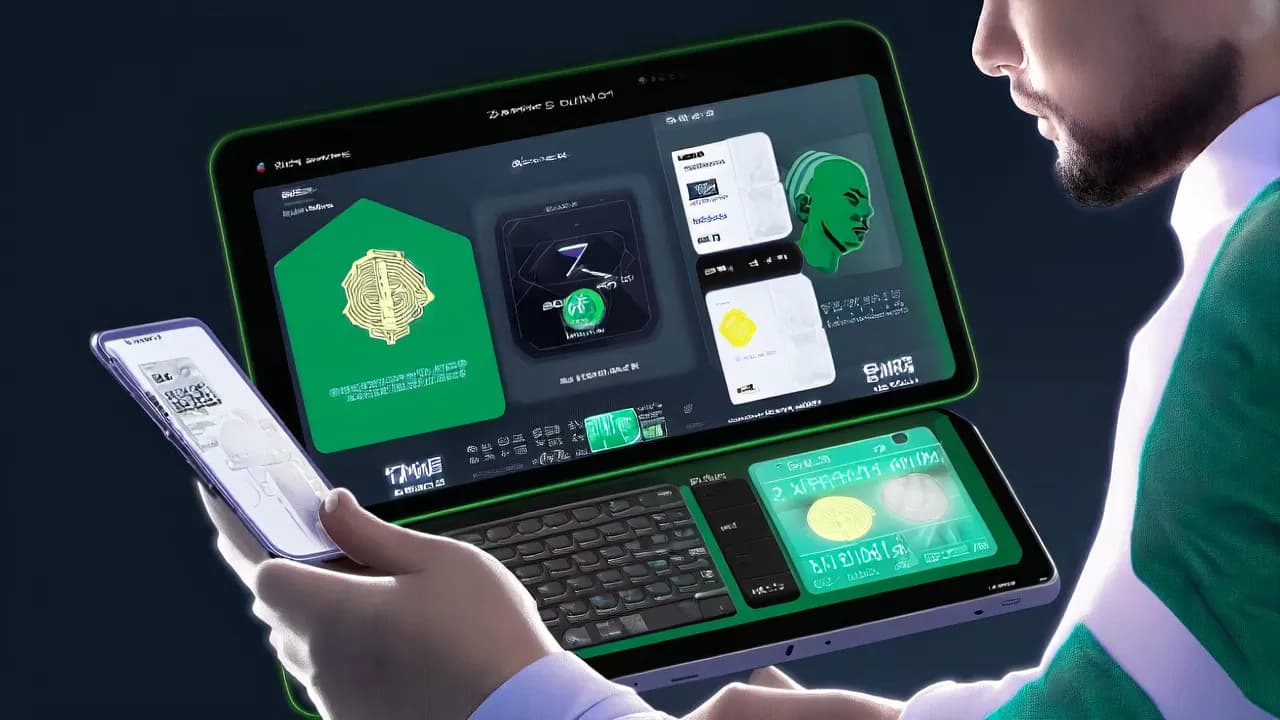
Web3 Isn’t Waiting for Permission — It’s Already Running
Two years ago, Web3 was a whitepaper concept debated in Discord threads. Today, it’s processing over $12 billion in daily onchain value — not just Bitcoin transfers, but tokenized U.S. Treasuries, verified creator credentials, peer-to-peer lending protocols with sub-5% APRs, and decentralized identity layers powering KYC-free DeFi onboarding. This isn’t theoretical infrastructure. It’s live, interoperable, and increasingly regulated — and it’s reshaping how traders assess risk, opportunity, and time horizons.
Why Now? The Confluence That Changed Everything
Three structural shifts converged in Q1 2024 to accelerate Web3 adoption beyond early adopters:
- Regulatory clarity (not crackdown): The EU’s MiCA framework went live in June, establishing legal pathways for tokenized securities and stablecoins — not banning them. Meanwhile, the U.S. SEC quietly approved its first RWA fund filing, signaling tacit acceptance of compliant asset tokenization.
- Institutional liquidity arrived: BlackRock’s BUIDL fund now holds over $1.2B in tokenized short-duration Treasuries. Fidelity and Franklin Templeton launched similar products — all settled on Ethereum L2s like Arbitrum and Base. This isn’t ‘crypto for crypto’s sake’ — it’s institutional capital flowing through Web3 rails.
- Real utility eclipsed speculation: Over 68% of active Ethereum addresses now interact with at least one non-speculative dApp monthly — including payroll platforms paying employees in stablecoins, DAO governance tools used by Fortune 500 R&D teams, and verifiable credential systems adopted by universities and healthcare providers.
The implication for traders? Market cycles are no longer driven solely by BTC halvings or Fed rhetoric. They’re increasingly shaped by onchain adoption metrics: weekly active smart contract deployments, cross-chain bridge volume, and RWA tokenization inflows. Ignoring this layer means trading blind.
RWA Tokenization: Not Just ‘Real Estate on Chain’
When people hear ‘real-world assets,’ they imagine condos or gold bars minted as tokens. That’s outdated. Today’s leading RWA protocols tokenize cash flows, not just titles. Consider Ondo Finance’s US Treasury-backed tokens (OUSG), which distribute yield directly to holders every 24 hours — programmatically, without intermediaries. Or Maple Finance’s undercollateralized corporate lending pools, where institutions borrow at rates 150–200 bps below traditional private credit markets — all with onchain repayment tracking and automated liquidation.
This matters because RWAs are creating new yield vectors uncorrelated with both equities and crypto volatility. In March, tokenized Treasuries outperformed S&P 500 index funds by 420 bps — while maintaining near-zero beta to Bitcoin. For traders seeking diversification without exiting crypto-native infrastructure, RWAs aren’t an alternative asset class. They’re a native yield layer.
Identity, Reputation, and the End of ‘Trustless’ Guesswork
‘Trustless’ doesn’t mean ‘trust-free.’ It means trust is encoded — in attestations, not resumes. New Web3 identity standards like ENS + Verifiable Credentials (VCs) let users prove education, employment history, or compliance status without exposing raw data. Why does this matter for trading? Because it enables permissioned DeFi strategies previously impossible at scale: institutional-grade margin lending with real-world counterparty vetting, DAO treasury management backed by auditable credentials, and even onchain insurance underwriting powered by verified risk profiles.
Projects like Galxe and Worldcoin are moving beyond ‘airdrop farming’ into reputation-weighted access — meaning your trading history, staking duration, and protocol contributions now influence your eligibility for high-alpha opportunities. Your wallet isn’t just an address anymore. It’s your financial passport.
How to Get Started — Without Getting Lost in the Stack
You don’t need to run a node or audit smart contracts to participate. You do need reliable, secure access to onchain markets — and that starts with choosing the right exchange based on your goals:
- Binance: Best for liquidity and execution speed across spot, margin, and options. Its deep order books and low slippage make it ideal for traders prioritizing efficiency — especially when entering large positions in blue-chip tokens or stablecoin pairs tied to RWA protocols.
- OKX: Offers the most mature Web3-native suite — including built-in WalletConnect, seamless cross-margin futures with up to 125x leverage, and direct integration with major L2s like Optimism and zkSync. If you plan to trade perpetuals on tokenized Treasuries or participate in early-stage airdrops via OKX’s Web3 wallet, this is your primary gateway.
- Gate.io: Maintains the deepest altcoin depth outside of top-tier exchanges — particularly for emerging RWA and identity-focused tokens (e.g., $PUMP, $WLD, $EIGEN). Its dedicated ‘Launchpad’ and ‘Startup’ sections provide structured access to pre-listing opportunities with clear vesting schedules and team transparency checks.
Opening an account takes under 90 seconds on any of these platforms. Complete KYC once, fund via bank transfer or stablecoin, and begin exploring — whether that’s buying ETH to stake in Lido, swapping into $USDe for yield-bearing stable exposure, or bridging to Arbitrum to interact with tokenized bond protocols.
Actionable Takeaway: Track These Three Onchain Signals
Don’t chase narratives — track infrastructure signals:
- RWA inflow ratio: Compare weekly net deposits into tokenized Treasury protocols (like Ondo, Matrixdock) versus total stablecoin supply growth. A rising ratio signals institutional capital rotation — not retail speculation.
- Identity attestation volume: Monitor daily attestations issued via projects like Gitcoin Passport or Disco. When this metric surges >20% MoM, expect accelerated airdrop activity and new protocol launches targeting verified users.
- L2 fee compression: Watch average gas fees on Arbitrum, Base, and zkSync. Sub-$0.02 fees consistently signal sustainable usage — not just bot traffic — and often precede major token listings or liquidity incentives.
Web3 isn’t replacing the internet. It’s upgrading its economic operating system — and traders who treat it as optional infrastructure will find themselves priced out of the next wave of alpha. The code is written. The networks are live. The question isn’t ‘if’ — it’s how deeply you’ll integrate before the next liquidity inflection point.
Trading cryptocurrencies involves substantial risk, including the potential loss of principal. Past performance is not indicative of future results. This is not financial advice. Always conduct your own research and consider your risk tolerance before trading.