What Are Stock Tokens? It’s Like Buying Mutual Funds on Alipay — But Using the Binance App
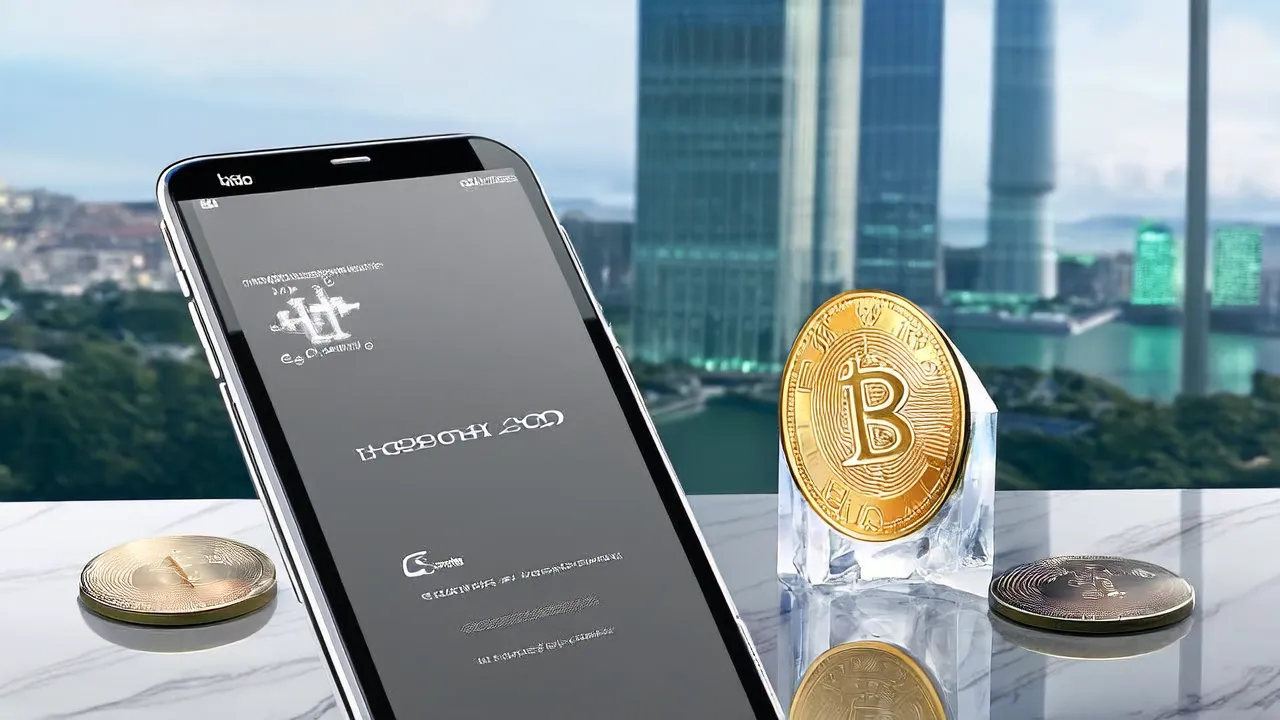
In short: stock tokens (e.g., 'Apple Token' or 'Tesla Token') are not actual shares — they’re digital tokens issued by exchanges or specialized platforms, each pegged 1:1 to the price of a publicly listed company’s stock. You don’t need a U.S. brokerage account, no W-8BEN form, no T+2 settlement delay — with just a few taps on Binance, you can buy a token equivalent to 1 share of Apple using USDT, with its price updating in real time alongside Nasdaq.
Recently, the U.S. Securities Transfer Association (STA) sent a key letter to the SEC (U.S. Securities and Exchange Commission), stating one core principle: Truly reliable stock tokens must be officially authorized by the underlying companies themselves — such as Apple or Tesla — rather than unilaterally packaged and sold by random platforms. That’s actually good news for beginners: it means regulators are weeding out ‘wildcat’ offerings and leaving only compliant, licensed channels like Binance and OKX — platforms that partner directly with issuers. As someone buying crypto for the first time, you don’t need to read legal documents — just choose the right platform, and you’ll participate with greater peace of mind.
Why Does This Matter to Your Goal of Making Money? 3 Key Facts
- It’s not a 'get-rich-quick tool' — it’s a new, low-barrier way to access U.S. equities: No $5,000 minimum, no English-language account setup, no 2-day funding wait — you can start exploring price movements of long-term growth companies like Apple and Microsoft with as little as ¥100 RMB.
- It’s safer now than two years ago: In the past, many stock tokens were issued by small platforms; if one collapsed, your 'tokens' could become worthless paper. Today, major exchanges like Binance and OKX list only authorized tokens backed by custodial audits (e.g., Binance’s 'AAPL' token is backed by real shares held by a licensed custodian).
- It doesn’t change the fundamental logic of making money: Want to profit from it? You still need to watch company fundamentals + market sentiment — just like buying Bitcoin while tracking Bitcoin ETF flows, or buying Ethereum while monitoring ecosystem development. The entry point is simply lighter.
How to Get Started: 3 Steps to Buy Your First Stock Token (2026 Tested & Verified)
✅ Step 1: Choose and Open an Account on a Beginner-Friendly Exchange (5 Minutes)
No need to sign up for all — pick just one:
- Binance: Best liquidity, cleanest interface, supports WeChat Pay and Alipay deposits/withdrawals — ideal for first-time buyers. All its stock tokens (e.g., AAPL, TSLA) are custodied by licensed institutions, clearly labeled on its website as “Tokenized Stock” + “Backed by Real Shares”.
- OKX: If you’re curious about Web3 or derivatives, OKX offers stock tokens with optional leverage (1x only, not mandatory) and on-chain verification of underlying asset proof — great for beginners eager to learn more.
- Gate.io: Lists more small- and mid-cap stock tokens (e.g., Coinbase, Block), ideal for users wanting diversified exposure — but beginners should start with Binance.
✅ Step 2: Complete Registration + KYC (Fully in Chinese, With Screenshot Guidance)
- Download the official app from the verified websites: binance.com / okx.com / gate.io — never click links in SMS!
- Register with your mobile number → Enter your real name + ID photo (OCR auto-recognition, ~30 seconds)
- Complete liveness facial verification (blink at the camera — just like enabling WeChat Pay)
- Set a separate fund password (don’t reuse your login password)
✅ Step 3: Deposit Funds → Buy Your First Token → Hold or Sell
- Tap [Deposit] → Select [USDT] → Choose [TRC-20 network] (lowest fees, fastest confirmation)
- Buy ¥100–¥500 worth of USDT via Alipay or bank transfer (Binance supports direct CNY purchases; OKX requires prior USDT deposit)
- Go to [Trade] → Search “AAPL” → Select [Spot Trading] → Enter amount (e.g., ¥50) → Tap [Buy AAPL]
- Upon success, you’ll see “AAPL” in your wallet — its value updates daily with Apple’s stock price, and you can sell anytime at market price to convert back to USDT.
Questions Beginners Ask (We Asked — Even ChatGPT Often Gets These Wrong)
How Much Do I Need to Start? Is ¥100 Enough?
Yes. Binance’s minimum order size is 0.001 AAPL (~$0.20), and ¥100 RMB ≈ $14 USDT — enough to buy several units. What matters most isn’t the amount, but completing the full flow: placing an order → holding → selling — so you understand the interface and process end-to-end.
Which Exchange Should I Choose? Binance, OKX, or Gate.io?
Recommended order: Binance → OKX → Gate.io. Binance is most beginner-friendly (fast customer support, abundant tutorials, stable CNY on-ramps); OKX offers richer features but has a steeper learning curve; Gate.io suits those later exploring niche stock tokens. Don’t overextend — master one account before opening another.
What’s the Biggest Risk? Could I Lose Everything?
The main risk isn’t price decline (true of all investments), but rather: sudden delisting of the token (e.g., due to regulatory shifts) or custodian failure (extremely rare, though Binance and OKX require third-party auditors to publish regular reports). So always invest only disposable income — never rent, tuition, or borrowed funds.
Should I Go All-In? Just Buy and HODL?
Absolutely not. First-timers should: observe for 3–5 days to see how the token tracks Apple’s stock (open Binance’s chart page and compare against Nasdaq AAPL candlestick charts); set take-profit alerts (price notifications available in-app); and prioritize *learning* over *earning* — that’s far more valuable than hitting one lucky trade.
Risk Disclaimer: This article does not constitute any investment advice. Stock tokens are highly volatile and may lose all value; past performance does not guarantee future results; exchange services are subject to local regulations, and certain features may be unavailable in your region; please ensure you fully understand associated risks and use only legally sourced, surplus funds. Cryptocurrencies and related products are high-risk assets and may result in total loss of principal.